
Taxpayers Work Too. Let's Protect Them as Well.
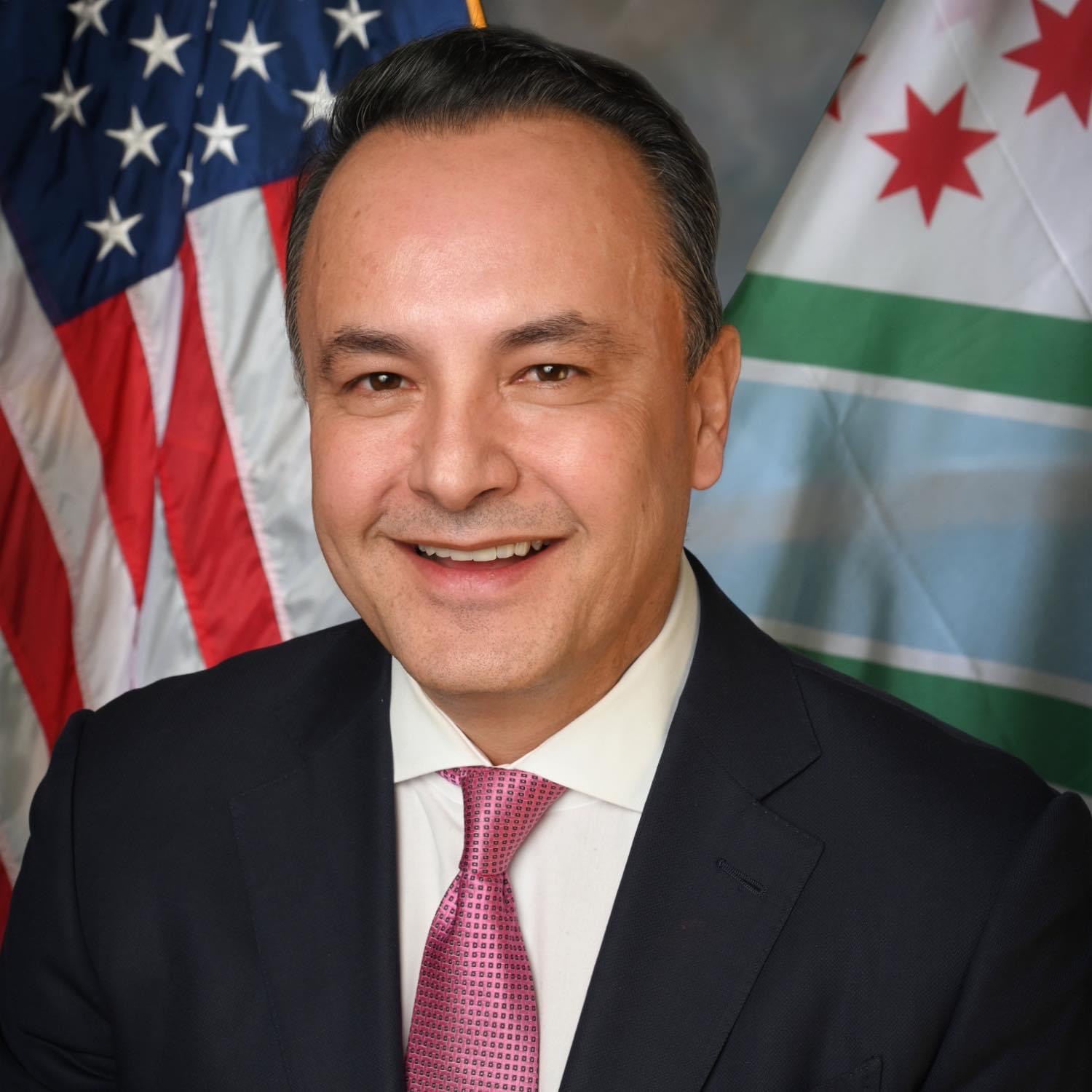
Commissioner George Cardenas · November 27, 2024
Taxpayers Work Too. Let’s Protect Them as Well.
As Chicago faces yet another year of fiscal uncertainty and piecemeal solutions, it's time to acknowledge a hard truth: we are staring down the barrel of a wide range of tax increases and public service cuts. This is not just about balancing numbers on a spreadsheet—it's about protecting the hard-working taxpayers of our city who call this city home. Their resilience is being tested by skyrocketing taxes, unchecked deficits, and policies that push the city of Chicago closer to insolvency. The question is, where are the real solutions?
In 2012, during my tenure as Alderman and Mayor Rahm Emanuel’s first budget, we faced a daunting fiscal landscape. Our nation was barely coming out of the Great Recession, where many Chicagoans had lost money on Wall Street and saw the value of their homes plummet.
Mayor Emanuel’s approach was clear and disciplined. I wholeheartedly supported it: cut spending, reform government, and demand accountability. We tackled inefficiencies head-on, implemented tough but necessary layoffs, and eliminated vacant positions that were draining resources. Every city department, without exception, was asked to cut costs and reform their operations. Debt collection became a priority—not just lip service. We recognized that unpaid debts hurt not only the city’s coffers, but also the residents who rely on essential services.
Fast forward to Fiscal Year 2025, and Chicago is looking at an even larger financial abyss. The city’s property tax levy soared from approximately $834 million in 2012 to well over $1.7 billion in 2024. If current proposals from Mayor Brandon Johnson are approved, that figure will rise to over $1.9 billion-dollar increase in just over a decade.
Adding to the mounting tax burden, the Chicago Public Schools property tax levy, including the school building fund, has ballooned from $2.3 billion in 2012 to more than $4 billion in its latest budget. These relentless hikes are unsustainable and cruel to taxpayers, specifically homeowners who are already struggling to keep up and have no other options
This is happening in an economy that has grown at a sluggish 2% annually and in the shadow of COVID-era inflation, which hit as high as 9%. Simply, most Chicagoans are tapped out. During Mayor Daley’s years in office between 1989-2011, taxes were kept low. The idea was to keep Chicago welcoming to new families and others wanting to comeback and join Chicago’s renaissance. Chicago’s high crime and high taxes will force families and businesses into leaving. Our aim should be clear. Let’s stop coddling criminals and make it easier on folks trying to make a living.
Cutting and Reforming Departments
Reform must come not from vague promises, but through measurable and enforceable mandates. To start, let’s restructure departments once considered to be sacrosanct:
The administration's plan for economic development and affordable housing misses the mark, as it failed to be rooted in fiscal responsibility to protect homeowners from undue financial burdens. Instead of borrowing $1.25 billion tied to TIF revenues—an approach that will shift the cost to individual homeowners if property valuations decline—we should have focused on a diversified strategy. This borrowing will entail an annual debt service payment of approximately $81 million, totaling a whopping $2.4. billion through 2061. This long-term obligation will constraint future budgets and limit fiscal flexibility.
Streets and Sanitation must modernize its waste management practices to reduce costs. In the 2025 appropriation, operational expenses went from $125 million to $139 million, a significant year to year increase. Snow removal, a perennial expense, could be streamlined by leveraging technology and smarter deployment of resources.
Utility expenses, which have steadily risen, climbed 14 million in this budget year alone. Streamlining this department must be a priority in any budget exercise. How much does it cost to change the oil on a city vehicle? The answer can tell you a lot of about the work ahead of us.
To bring Chicago’s budget to within reason, we don’t have to reinvent the wheel. Other cities are already doing it:
Minneapolis, MN: Implemented predictive analytics and brine solutions, reducing salt use by 30% while maintaining safety.
Toronto, Canada: Uses automated route optimization for snowplows, cutting travel time and fuel costs.
Denver, CO: Adopted high-tech snowplows equipped with cameras and sensors for improved efficiency.
Debt Collection: Go Get the Money!
Restructuring how the city does business is just one part of the equation. The city is owed a staggering $7 billion, with over $421million in unpaid water bills alone according to a 2020 WBEZ report.
In this year’s budget, revenue from fines and forfeitures and penalties are projected to decrease $22 million and its indicative of lack of payment enforcement. This number didn’t appear overnight, and it won’t stop growing unless we act. Here’s what we must do:
Professionalize Debt Recovery: Partner with firms that specialize in ethical and effective debt collection. The city needs a proactive and transparent strategy to recover unpaid bills without punishing low-income residents unfairly.
Strengthen Payment Plans: Offer structured payment plans that incentivize repayment while keeping essential services affordable for those who need them most.
Prevent New Debt: Implement stricter billing and collection protocols to stop arrears from ballooning further. This includes better customer communication and automated systems to flag delinquencies early.
A Call to Leadership
Starting with the 2025 fiscal year, we must act decisively. The future of Chicago is at stake. If we don’t course-correct now, the city risks falling into a cycle of financial instability that will be felt for generations. The time for bold, pragmatic action is now. Let’s start with the Chicago’s 2025 Budget. The taxpayers are too important not do it for them.
George A Cardenas
Commissioner, Cook County Board of Review Former Alderman, Chicago City Council